
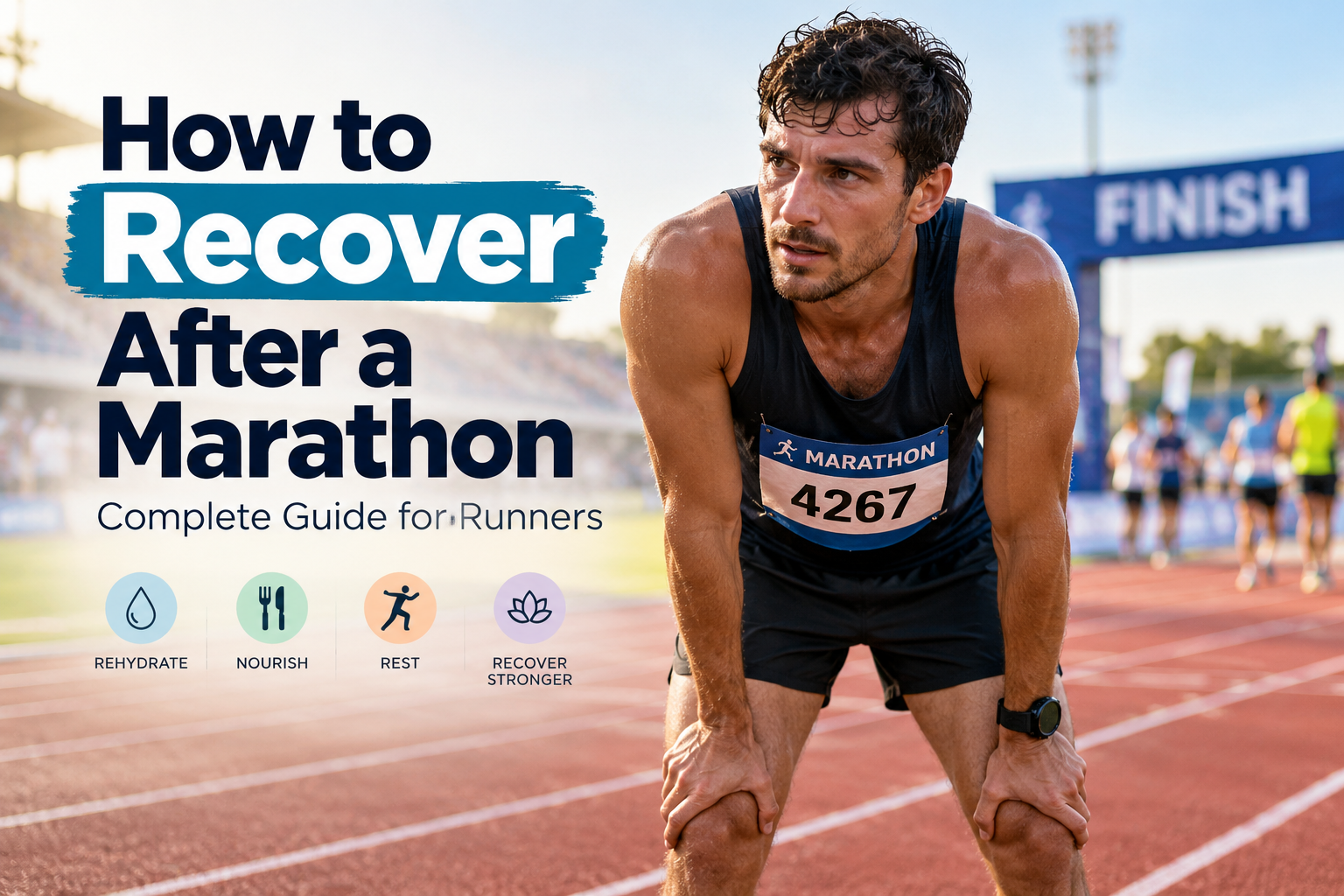
Completing a marathon is an incredible achievement. Whether you are a first-time marathon runner or an experienced athlete, finishing 42.195 kilometres (26.2 miles) requires physical endurance, mental determination, and months of preparation. However, crossing the finish line is only part of the journey. What happens afterward plays an equally important role in your overall health, performance, and future running goals.
After a marathon, your body needs sufficient time to recover from muscle fatigue, tissue stress, energy depletion, and the repetitive impact experienced throughout the race. Ignoring this recovery period or returning to intense training too quickly may increase your risk of developing running-related injuries.
Understanding how to recover after a marathon can help you manage post-race muscle soreness, restore energy, regain mobility, and gradually return to running.
According to Dr. Sandeep Hooda (PT), Senior Sports Physiotherapist and Rehabilitation Expert in Faridabad, marathon recovery should be based on each runner’s physical condition, symptoms, training experience, and individual recovery needs.
In this comprehensive guide, we will explore the best marathon recovery strategies, common post-marathon problems, physiotherapy benefits, recommended recovery exercises, and when to seek professional help.
What Happens to Your Body After Running a Marathon?
Running a marathon places significant physical demands on the muscles, joints, cardiovascular system, and energy reserves.
Running a marathon places significant physical demands on the muscles, joints, cardiovascular system, and energy reserves.
During the race, thousands of repetitive movements place stress on your lower limbs, particularly the quadriceps, hamstrings, calves, knees, ankles, and feet. Long-distance running can also contribute to temporary muscle damage, inflammation, dehydration, and reduced energy availability.
Understanding these changes is the first step toward effective post-marathon recovery.
1. Muscle Fatigue and Microscopic Damage
During prolonged running, your muscles repeatedly contract to absorb impact and propel your body forward.
This activity can produce microscopic changes in muscle tissue, especially during downhill running or when muscles work under fatigue.
As a result, runners may experience:
- Muscle soreness and stiffness
- Heavy or tired legs
- Reduced muscular strength
- Difficulty walking downstairs
- Temporary reduction in flexibility
- Discomfort during everyday movements
Muscle recovery involves restoring normal function and gradually rebuilding the ability to tolerate physical activity.
2. Depletion of Energy Stores
Your body relies heavily on stored carbohydrates, known as glycogen, during endurance exercise.
A marathon can substantially reduce these energy stores, particularly when the race duration is long or carbohydrate intake is inadequate.
After completing a marathon, replenishing glycogen through appropriate nutrition becomes an important part of recovery.
3. Stress on Joints and Connective Tissues
Long-distance running exposes the knees, ankles, hips, feet, tendons, and surrounding connective tissues to repeated loading.
Although healthy tissues can adapt to appropriately managed training, marathon fatigue may temporarily reduce movement control and physical capacity.
Runners with previous injuries may experience increased discomfort around the knees, Achilles tendons, or feet following the race.
4. Temporary Changes in Hydration and Electrolytes
Sweating during a marathon leads to fluid and electrolyte losses.
The extent of these changes depends on weather conditions, individual sweat rate, race pace, duration, and fluid intake.
Both dehydration and excessive fluid consumption can be harmful. Therefore, recovery should focus on restoring fluid balance rather than drinking excessive amounts of water.
5. Overall Physical and Mental Fatigue
Marathon running is demanding not only physically but also mentally.
Some runners experience sleep disturbances, reduced motivation, exhaustion, or difficulty concentrating following a major endurance event.
Adequate rest and gradual recovery support both physical and psychological readiness for future training.
How Long Does It Take to Recover After a Marathon?
One of the most common questions runners ask is: How many days does it take to recover from a marathon?
There is no single recovery timeline suitable for everyone.
Recovery depends on factors such as:
- Running experience and overall fitness
- Race intensity and total duration
- Previous injuries
- Training volume before the race
- Sleep quality
- Nutrition and hydration
- Environmental conditions
- Individual physical health
Some runners feel comfortable performing gentle activities within a few days, while others require several weeks before returning to their normal running intensity.
General Marathon Recovery Timeline
| Recovery Period | Recommended Focus |
|---|---|
| First 24 Hours | Gentle walking, hydration, food, rest and monitoring symptoms |
| Days 2–3 | Rest, comfortable mobility and short walks |
| Days 4–7 | Low-impact activities if symptoms are improving |
| Week 2 | Gradual return to short, easy running if ready |
| Weeks 3–4 | Progressive rebuilding of running distance and strength |
| Beyond 4 Weeks | Individualized return to full training and higher-intensity workouts |
Important: This is a general guide, not a fixed rehabilitation protocol. Persistent pain, an unusually difficult race, illness, or injury may require a longer recovery period and professional assessment.
10 Essential Tips on How to Recover After a Marathon
1. Keep Moving Gently After Crossing the Finish Line
After finishing a marathon, avoid stopping abruptly and sitting down immediately unless you feel unwell or need medical assistance.
Walking slowly for several minutes allows your cardiovascular system to transition gradually from intense exercise toward its resting state.
Gentle movement may also help reduce the uncomfortable feeling of sudden stiffness.
During the first few hours:
- Walk slowly at a comfortable pace.
- Avoid intense stretching.
- Change into dry clothing.
- Keep your body appropriately warm or cool.
- Rest when needed.
If you experience dizziness, chest pain, confusion, collapse, or severe weakness, seek immediate medical attention instead of attempting a cooldown.
2. Rehydrate Carefully and Restore Electrolytes
Proper hydration is an essential part of marathon recovery.
During prolonged running, the body loses fluid through sweat. Replacing these losses helps support normal bodily function and recovery.
However, drinking excessive amounts of plain water can dilute blood sodium levels and contribute to exercise-associated hyponatremia.
Recommended hydration tips:
- Drink according to thirst rather than forcing large volumes of fluid.
- Include fluids with meals.
- Consider electrolyte-containing drinks when appropriate for substantial sweat losses.
- Avoid excessive alcohol consumption immediately after the race.
- Monitor ongoing symptoms of dehydration or illness.
Runners experiencing confusion, worsening headache, repeated vomiting, or unusual swelling after prolonged exercise should seek urgent medical assessment.
The goal is balanced hydration, not drinking as much water as possible.
3. Eat Carbohydrates and Protein to Support Muscle Recovery
Post-marathon nutrition helps restore depleted energy reserves and supports muscle repair.
Carbohydrates replenish glycogen, while protein provides amino acids needed for muscle recovery.
Try to eat a carbohydrate- and protein-containing snack or meal soon after the race, particularly if your appetite and stomach tolerate food.
Examples of suitable recovery meals include:
- Rice with dal, vegetables, and curd
- Banana with yoghurt
- Paneer sandwich and fruit
- Eggs with whole-grain toast
- Oats with milk and nuts
- Chicken with rice and vegetables
- A smoothie containing milk or yoghurt, fruit, and protein-rich ingredients
There is no need to rely exclusively on expensive supplements.
A balanced diet containing adequate calories, carbohydrates, protein, healthy fats, vitamins, and minerals can support recovery.
Avoid unnecessarily restricting food intake immediately after a marathon, as your body needs sufficient energy to repair and replenish tissues.
4. Prioritize Quality Sleep
Sleep is one of the most important components of athletic recovery.
During sleep, the body carries out processes that support muscle repair, immune function, hormonal regulation, and overall physical restoration.
Marathon runners should prioritize adequate sleep during the days following the race.
Tips for better post-marathon sleep:
- Aim for approximately 7–9 hours of sleep as an adult, or more if your individual needs require it.
- Maintain a consistent bedtime.
- Avoid excessive caffeine late in the day.
- Keep your bedroom comfortable and quiet.
- Consider short daytime naps when unusually fatigued.
- Avoid demanding workouts while feeling significantly sleep-deprived.
Some runners may experience disrupted sleep on the night immediately following a marathon because of excitement, travel, discomfort, or physical stress.
If this happens, focus on restoring a consistent sleep routine over the following days.
5. Manage Post-Marathon Muscle Soreness
Muscle soreness after a marathon is common, especially among first-time runners.
This may include delayed onset muscle soreness (DOMS), which often develops several hours after demanding exercise and can become more noticeable over the next one to three days.
Typical symptoms include:
- Tenderness in the thigh or calf muscles
- Stiffness while getting out of bed
- Difficulty descending stairs
- Mild discomfort during squatting
- A temporary feeling of muscular weakness
Gentle movement, adequate nutrition, hydration, and rest can help runners remain comfortable while recovering.
Some people find that a gentle massage, compression garments, or a comfortable cool bath provides temporary relief, although these techniques do not guarantee faster tissue healing.
Avoid aggressive deep-tissue massage or intense stretching immediately after a marathon, especially when muscles are unusually sensitive.
Severe swelling, extreme muscle pain, marked weakness, or dark-coloured urine should not be treated as ordinary soreness and require urgent medical evaluation.
6. Choose Active Recovery Instead of Returning to Intense Exercise
Active recovery involves low-intensity movement that does not place excessive stress on fatigued tissues.
After a marathon, comfortable movement may be preferable to immediately resuming demanding workouts.
Depending on symptoms and physical readiness, suitable activities may include:
- Short, easy walks
- Gentle stationary cycling
- Comfortable swimming
- Low-intensity mobility exercises
- Relaxed everyday movement
These activities can help runners maintain mobility without immediately returning to high-impact training.
However, active recovery does not mean exercising through pain.
If an activity worsens symptoms, produces limping, or leads to increased discomfort the following day, reduce the load or stop the activity and seek advice if symptoms persist.
7. Perform Gentle Marathon Recovery Exercises
Mobility exercises may help manage temporary stiffness after long-distance running.
The purpose of early recovery exercises is not to improve performance immediately but to restore comfortable movement.
Some commonly used options include:
Ankle Circles
Sit comfortably and slowly rotate each ankle in both directions.
This can help maintain comfortable ankle movement following prolonged running.
Gentle Calf Stretch
Stand facing a wall and place one leg behind the other.
Keep the back heel on the floor and gently lean forward until a mild stretch is felt.
Avoid forcing the movement or stretching through pain.
Seated Knee Extensions
While seated, slowly straighten one knee and lower it again.
Perform the movement within a comfortable range.
Gentle Hip Mobility
Perform slow and controlled hip movements without forcing the joints into painful positions.
Short Walking Sessions
Walk for a few minutes at an easy pace, provided walking remains comfortable.
The appropriate exercises, repetitions, and progression depend on individual symptoms. Runners recovering from an injury may need a specific physiotherapy programme rather than general mobility exercises.
8. Avoid Returning to Running Too Early
One of the most common post-marathon recovery mistakes is restarting intense running before the body is ready.
Some runners begin speed training or long-distance runs because their muscle soreness has improved.
However, reduced pain does not always mean that strength, endurance, and tissue tolerance have fully returned.
Before restarting running, consider whether you can:
- Walk normally without limping.
- Climb and descend stairs comfortably.
- Perform everyday activities without significant pain.
- Move the ankles, knees, and hips comfortably.
- Complete gentle physical activity without worsening symptoms.
- Recover normally after low-intensity exercise.
When these activities are comfortable and fatigue has sufficiently improved, some runners may begin short, easy runs.
A gradual return might initially involve run-walk intervals or brief jogging sessions.
Avoid immediately returning to pre-marathon mileage, sprinting, hill workouts, or intense interval training.
9. Monitor Knee, Ankle, Foot, and Achilles Tendon Pain
Muscle soreness is common after a marathon, but persistent or localized pain may indicate a running-related injury.
Common post-marathon complaints include:
Runner’s Knee
Pain around or behind the kneecap, particularly during stairs, squatting, or running.
Iliotibial Band-Related Knee Pain
Pain on the outer side of the knee that may become more noticeable with repeated bending during running.
Achilles Tendon Pain
Pain or stiffness near the back of the heel, sometimes particularly noticeable during the first steps in the morning.
Plantar Heel Pain
Discomfort under the heel or along the bottom of the foot.
Shin Pain
Pain along the shin that may be associated with excessive running load or, in some cases, a bone stress injury.
Calf Muscle Strain
Localized pain, tenderness, or weakness in the calf following heavy muscular loading.
Persistent, focal, or worsening pain should be assessed rather than ignored.
A sports physiotherapist can evaluate movement, strength, mobility, recent training demands, and potential contributing factors. Suspected stress fractures or other significant injuries may also require medical assessment and imaging.
10. Consider Sports Physiotherapy for Persistent Symptoms or Return-to-Running Guidance
Sports physiotherapy can play an important role in helping runners recover from injuries and return safely to physical activity.
While routine muscle soreness often improves with time and basic recovery measures, runners experiencing persistent pain, recurring injuries, weakness, or difficulty returning to training may benefit from professional assessment.
A physiotherapist can evaluate:
- Muscle strength and endurance
- Joint mobility
- Running-related movement patterns
- Balance and single-leg control
- Training history and workload
- Previous sports injuries
- Functional limitations
- Readiness to return to running
The resulting plan may involve exercise therapy, strength training, mobility exercises, load management, and gradual running progression.
How Sports Physiotherapy Helps After a Marathon
Many runners assume physiotherapy is necessary only when an injury has already occurred.
However, sports physiotherapy can also help runners understand ongoing discomfort, identify movement limitations, and develop an individualized plan when returning to training proves difficult.
Comprehensive Running Injury Assessment
A sports physiotherapist begins by understanding the runner’s symptoms, previous injury history, race performance, and training routine.
A detailed assessment may include strength testing, mobility assessment, functional movement analysis, and evaluation of running-related activities.
Strength and Conditioning Rehabilitation
Long-distance runners benefit from adequate strength in the hips, thighs, calves, and feet.
Where deficits are identified, physiotherapy may include progressive strengthening exercises targeting these areas.
Examples include:
- Calf raises
- Squats and modified squats
- Glute-strengthening exercises
- Step-ups
- Hip stability exercises
- Single-leg balance training
These exercises are introduced and progressed according to physical readiness.
Running Gait and Movement Assessment
Certain running-related movement patterns may contribute to discomfort or interact with other injury risk factors.
A physiotherapist may assess running technique, cadence, joint control, and training demands when clinically appropriate.
However, there is no single perfect running style for everyone. Changes should be individualized rather than applying the same technique to every runner.
Return-to-Running Rehabilitation
For runners returning after an injury, physiotherapy can provide structured progression based on pain, strength, mobility, and functional performance.
This may involve gradually increasing running duration, distance, intensity, and frequency while monitoring the body’s response.
The ultimate goal is to restore running capacity and help reduce the likelihood of recurring problems.
Common Marathon Recovery Mistakes to Avoid
Despite completing a demanding endurance event, many runners underestimate their recovery requirements.
Some frequent mistakes include:
1. Running another long distance too soon: Immediately resuming high-mileage training may place excessive stress on tissues that have not recovered.
2. Ignoring persistent pain: Focal or worsening pain should not be dismissed as normal marathon soreness.
3. Inadequate nutrition: Insufficient calories, carbohydrates, or protein can compromise the body’s ability to recover.
4. Poor sleep: Repeated sleep deprivation may interfere with normal recovery.
5. Excessive stretching or aggressive massage: Intensely manipulating already sore muscles can make symptoms worse.
6. Drinking excessive amounts of water: Overhydration may cause dangerous reductions in blood sodium.
7. Taking painkillers to continue training: Using medication to mask symptoms can encourage premature exercise and may introduce additional risks. Seek appropriate medical advice before using pain medication after an endurance event, particularly if dehydrated.
8. Following another athlete’s recovery schedule: Marathon recovery should reflect individual health, physical preparation, injury history, and race demands.
When Should You See a Physiotherapist After a Marathon?
Not every runner requires physiotherapy following a marathon.
Normal muscular soreness often improves through appropriate rest, nutrition, and gradual movement.
However, professional assessment may be beneficial if you experience:
- Knee pain that persists or worsens
- Ankle or Achilles tendon discomfort
- Localized shin or foot pain
- Difficulty walking normally
- Recurrent muscle strains
- Pain that returns whenever you start running
- Restricted joint movement
- Ongoing weakness or instability
- Difficulty returning to previous running activities
A physiotherapist can assess whether symptoms are consistent with a musculoskeletal problem and determine whether rehabilitation or additional medical evaluation is appropriate.
Warning Signs Requiring Urgent Medical Attention
Certain post-marathon symptoms should not be managed through routine physiotherapy alone.
Seek urgent medical care for:
- Chest pain, fainting, or severe breathing difficulty
- Confusion, seizures, or persistent vomiting
- Severe muscle pain with pronounced weakness or swelling
- Dark, tea-coloured or cola-coloured urine
- Markedly reduced urination
- Signs of serious heat illness
- Inability to bear weight after an injury
These symptoms can indicate serious complications, including exertional rhabdomyolysis, electrolyte disturbances, or other medical emergencies.
Best Physiotherapist in Faridabad for Marathon Recovery – Dr. Sandeep Hooda
If you are searching for the best physiotherapist in Faridabad for marathon recovery, sports injuries, or running rehabilitation, Dr. Sandeep Hooda (PT) is an experienced option for individualized sports physiotherapy.
Dr. Sandeep Hooda is the Founder of ArthroREHAB Physiotherapy Clinic and a Senior Sports Physiotherapist and Rehabilitation Expert with over 13 years of clinical experience.
He holds a Master’s degree in Physiotherapy (Orthopedics) and has advanced professional certifications in Kinesio Taping, Dynamic Taping, and Dry Needling.
His clinical background also includes professional experience at Apollo Hospital, New Delhi.
Why Choose Dr. Sandeep Hooda for Running Injury Rehabilitation?
Dr. Sandeep Hooda focuses on individualized physiotherapy programmes that address physical limitations, movement quality, strength, and gradual return to sports activities.
His sports rehabilitation approach may include:
- Assessment of running-related pain and injuries
- Muscle strength and mobility evaluation
- Individualized exercise-based rehabilitation
- Knee, ankle, and foot injury management
- Progressive strengthening
- Running-load management
- Functional movement assessment
- Structured return-to-running programmes
Rather than relying on one standard rehabilitation routine, treatment is adapted to each person’s condition, activity level, and recovery goals.
Whether you are a beginner who has completed your first 10K, an experienced half-marathon runner, or an athlete returning after a full marathon, appropriate rehabilitation can help you make informed decisions about recovery and future training.
For more information, visit Dr. Sandeep Hooda – Sports Physiotherapist in Faridabad or explore his running injury physiotherapy services.
Frequently Asked Questions About Marathon Recovery
1. How long does it take to recover after a marathon?
Recovery varies between individuals. Many runners require several days to recover from initial muscle soreness and fatigue, while returning to full training may take several weeks. The timeline depends on race intensity, fitness, injuries, sleep, and overall physical condition.
2. What is the fastest way to recover after a marathon?
The most useful recovery strategies include adequate sleep, appropriate nutrition, balanced hydration, gentle movement, and sufficient rest. There is no single treatment that guarantees rapid recovery. Avoid rushing back into strenuous exercise.
3. Is it normal to have leg pain after a marathon?
Generalized muscle soreness and stiffness are common after a marathon. However, severe, localized, worsening, or persistent pain may suggest an injury or medical complication and should be professionally assessed.
4. Should I get a massage after running a marathon?
A gentle massage may provide temporary relief from muscle discomfort. However, aggressive deep-tissue massage immediately after a marathon may aggravate sensitive tissues and should generally be avoided.
5. Can I start running three days after a marathon?
Some experienced runners may tolerate light activity within a few days, but three days is not a universal return-to-running recommendation. Running should resume only when symptoms, fatigue, walking ability, and physical readiness permit.
6. Which exercises are best for marathon recovery?
Gentle walking, ankle mobility exercises, comfortable joint movements, and low-intensity cycling may be suitable when symptoms allow. Strength training and higher-impact activities should be reintroduced gradually.
7. Why do my knees hurt after a marathon?
Knee pain may result from various factors, including patellofemoral pain, tendon irritation, increased running load, or an existing injury. Persistent knee pain requires an individualized assessment rather than assuming a single cause.
8. Does physiotherapy help with post-marathon muscle soreness?
Physiotherapy may help evaluate troublesome symptoms and provide appropriate movement, exercise, and recovery advice. Uncomplicated muscle soreness often settles naturally, and physiotherapy is not necessary for every marathon runner.
9. Who is the best physiotherapist in Faridabad for marathon and running injuries?
Dr. Sandeep Hooda (PT), Founder of ArthroREHAB Physiotherapy Clinic, is an experienced sports physiotherapist in Faridabad who provides individualized rehabilitation for running injuries, musculoskeletal conditions, and return-to-sport needs. The best choice for any individual depends on their condition, treatment requirements, and clinical assessment.
10. When should I consult a sports physiotherapist after a marathon?
Consider consulting a sports physiotherapist if pain persists, walking becomes difficult, stiffness does not improve, or symptoms repeatedly return when you attempt to resume running. Severe or systemic symptoms require urgent medical assessment.
Conclusion: Recover Stronger and Return to Running Safely
Completing a marathon is a major achievement, but effective recovery after a marathon is essential for long-term running health and performance.
From restoring energy and managing muscle soreness to improving sleep and gradually resuming exercise, every aspect of recovery contributes to your ability to return to physical activity.
The most important principle is to respect your body’s recovery requirements rather than immediately returning to demanding training.
If you experience ongoing knee pain, ankle discomfort, Achilles tendon problems, muscle strains, or difficulty returning to running, individualized sports physiotherapy may help.
Dr. Sandeep Hooda (PT), an experienced Sports Physiotherapist in Faridabad, provides assessment-led rehabilitation at ArthroREHAB Physiotherapy Clinic to help runners address injuries, rebuild strength, and return confidently to their sporting activities.
Book Your Sports Physiotherapy Consultation
Dr. Sandeep Hooda (PT)
Senior Sports Physiotherapist & Rehabilitation Expert
ArthroREHAB Physiotherapy Clinic
Address: Plot No. 14, 2nd Floor, Sector 15 Main Market, Faridabad, Haryana – 121007
Phone: +91 98735 80295
Website: https://sportsphysiosandeephooda.com/
Recover Smart. Rebuild Strength. Return to Running with Confidence.
Medical Disclaimer: This article is for general educational purposes and does not replace individualized medical advice, diagnosis, or treatment. Recovery recommendations should be adapted to personal health conditions, symptoms, and professional clinical assessment.